

Cómo los distribuidores sudamericanos construyen una cadena de suministro confiable de repuestos para licuadoras desde China.
Para un distribuidor sudamericano, conseguir repuestos para licuadoras en China rara vez se trata solo de encontrar el precio de fábrica más bajo. El verdadero desafío radica en construir una cadena de suministro que pueda proporcionar los modelos de repuesto adecuados, mantener especificaciones estables, satisfacer la creciente demanda de los clientes y facilitar las compras recurrentes a lo largo del tiempo.
Esto es especialmente importante para las empresas que suministran vasos de vidrio para licuadoras , conjuntos de cuchillas, acoplamientos, tapas, anillos de sellado, bases de vasos y otras piezas de repuesto compatibles. Un proveedor puede ofrecer un precio atractivo, pero si el modelo requerido no está disponible, la compatibilidad es incierta o cada componente debe adquirirse de una fábrica diferente, el distribuidor sigue enfrentándose a un problema en la cadena de suministro.
Para importadores, mayoristas, proveedores de reparación de electrodomésticos y distribuidores de repuestos en México, Colombia, Perú, Ecuador, Chile, Brasil y otros mercados latinoamericanos, el objetivo debe ir más allá de completar un solo pedido. El objetivo debe ser establecer un programa confiable de repuestos para los modelos de licuadoras que los clientes realmente utilizan.
Una sólida cadena de suministro de repuestos para licuadoras se construye mediante:
Demanda del mercado local → Identificación del modelo → Verificación de compatibilidad → Repuestos estándar → Desarrollo OEM → Suministro consolidado a granel → Pedidos repetidos
¿Por qué la compra de repuestos para licuadoras es diferente a la compra de electrodomésticos completos?
Cuando un distribuidor importa licuadoras completas, las decisiones de compra pueden centrarse en el diseño del producto, el precio de venta al público, la potencia, el embalaje y el posicionamiento de la marca. El mercado de repuestos es diferente.
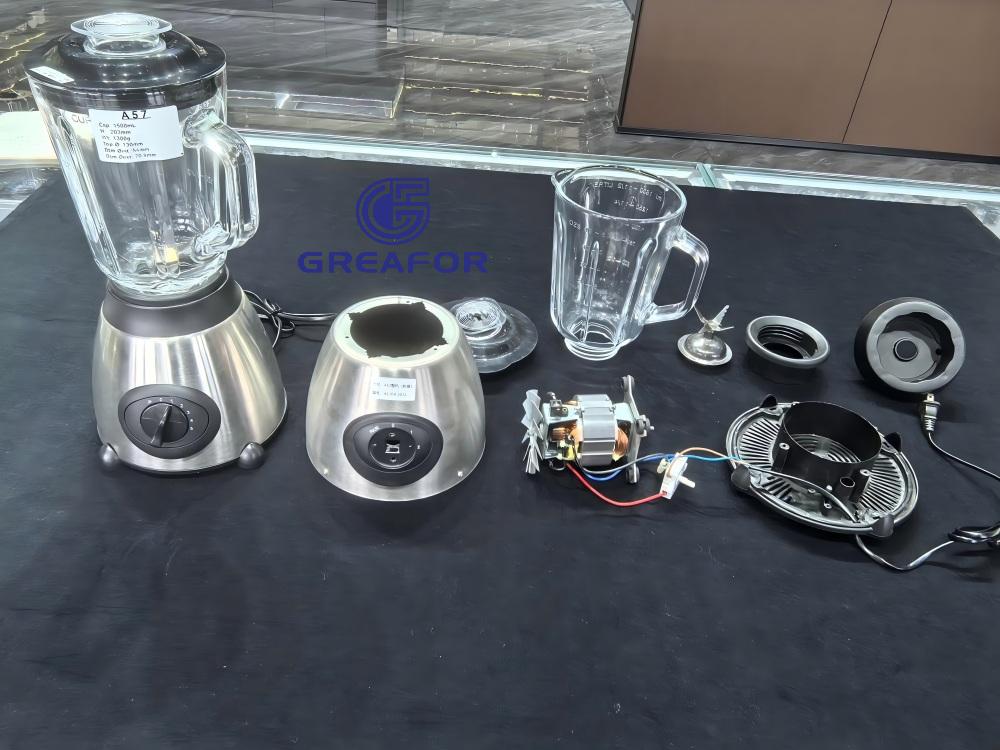
Las piezas de repuesto deben ser compatibles con los productos que ya están en uso. Es posible que los clientes necesiten un vaso de vidrio, un conjunto de cuchillas, un acoplamiento, una tapa, un sello o una base específicos para un modelo de licuadora comprado hace varios años. Si la pieza de repuesto no coincide con la estructura original, es posible que no selle, no active el motor ni funcione correctamente.
Esto significa que un distribuidor de repuestos para licuadoras no se limita a importar productos. El distribuidor está creando un sistema de inventario basado en la compatibilidad.
Ese sistema debe estar equilibrado:
- Demanda de modelos populares de licuadoras en el mercado local.
- Frecuencia de reemplazo de frascos, cuchillas, acoplamientos, tapas y sellos.
- Precisión de compatibilidad y control del riesgo de devolución
- Cantidad de SKU e inversión en inventario
- Eficiencia en el almacenamiento, el embalaje y el envío
- Disponibilidad de piezas compatibles para la venta cruzada.
- Consistencia en los pedidos repetidos del proveedor
Por este motivo, los distribuidores exitosos normalmente no empiezan importando todas las piezas de repuesto posibles para licuadoras. Comienzan identificando un número limitado de modelos de licuadoras de alta demanda y desarrollando soluciones de reemplazo completas y compatibles para esos modelos.
Información del cliente: Compradores de repuestos para licuadoras en Sudamérica
Los distribuidores sudamericanos suelen atender a varios grupos de clientes simultáneamente. Un solo importador puede abastecer a mayoristas de repuestos para electrodomésticos, talleres de reparación, minoristas locales, técnicos de servicio, vendedores en línea, distribuidores regionales y marcas de electrodomésticos de marca blanca.
Debido a que estos canales tienen requisitos diferentes, la demanda rara vez se limita a un solo frasco de vidrio o un solo modelo de cuchilla. Los talleres de reparación pueden solicitar acoplamientos y sellos. Los minoristas pueden necesitar frascos y tapas de repuesto. Los distribuidores más grandes pueden necesitar una gama de productos coordinada que incluya frascos compatibles, conjuntos de cuchillas, bases y envases aptos para la reventa.
El desafío típico en materia de compras es claro:
El mercado necesita más opciones de reemplazo, pero el distribuidor debe controlar el inventario, la complejidad de las compras y el riesgo de compatibilidad.
La mejor solución no es comprar cada pieza a un proveedor diferente, sino trabajar con un socio fabricante que comprenda la relación entre los frascos de vidrio, las roscas, los conjuntos de cuchillas, los acoplamientos, las tapas, los sellos y el modelo de licuadora en cuestión.
Tres desafíos de la cadena de suministro para los distribuidores sudamericanos
1. Las especificaciones inestables dificultan los pedidos repetidos.
En las piezas de repuesto para licuadoras, la consistencia es fundamental. El vaso de vidrio de una licuadora no es simplemente un trozo de vidrio. Su capacidad, altura, diámetro de la base, estructura de la rosca, interfaz de las cuchillas, ajuste de la tapa, posición del cierre y conexión de acoplamiento pueden afectar la compatibilidad de la pieza con la licuadora.
Si un proveedor modifica las especificaciones entre lotes, aunque sea ligeramente, el distribuidor puede enfrentarse a quejas de compatibilidad, devoluciones de productos, insatisfacción del cliente, inventario invendible y dificultades para reponer un modelo que antes se vendía bien.
Por lo tanto, un proveedor de repuestos para licuadoras a largo plazo debe evaluarse no solo por el precio de la cotización, sino también por su capacidad para mantener especificaciones de producto estables y comunicar claramente los requisitos de compatibilidad.
2. La multiplicidad de proveedores aumenta la complejidad de las adquisiciones.
Muchos distribuidores comienzan con una estructura de abastecimiento fragmentada:
Frascos de vidrio del proveedor A → Cuchillas del proveedor B → Acoplamientos del proveedor C → Tapas del proveedor D
Esto puede funcionar para pedidos de prueba pequeños, pero se complica a medida que se amplía la gama de productos. Cada proveedor puede tener diferentes requisitos de cantidad mínima de pedido, estándares de embalaje, cronogramas de producción, métodos de control de calidad, procedimientos de exportación y procesos de comunicación.
Un distribuidor también podría tener que coordinar si el conjunto de cuchillas encaja en el frasco adquirido, si el acoplamiento coincide con el eje de la cuchilla y si la tapa se ajusta a la abertura del frasco. Cuando estos componentes se adquieren por separado, el comprador asume un mayor riesgo de compatibilidad.
La consolidación de productos relacionados con un socio fabricante competente puede simplificar las compras, facilitar la compatibilidad de componentes, reducir el trabajo de gestión de proveedores y hacer que la planificación de envíos a granel sea más eficiente.
3. La falta de modelos genera oportunidades de venta perdidas.
Uno de los mayores desafíos en el mercado de repuestos no siempre es la falta de demanda, sino la falta de disponibilidad del modelo exacto que necesita el cliente.
Un taller de reparación podría solicitar un frasco de vidrio específico. Un mayorista podría necesitar un conjunto de cuchillas compatible. Un minorista podría pedir una tapa o un acoplamiento para un modelo de licuadora antiguo. Si el distribuidor no puede ofrecer un repuesto adecuado, el cliente puede comprarlo a otro proveedor.
Por eso, un fabricante de repuestos para licuadoras que ofrezca un servicio práctico debe ir más allá de un catálogo estándar. El proveedor debe poder revisar los números de modelo, las fotos originales del producto, la estructura del fondo del vaso, los conjuntos de cuchillas, los tipos de rosca, los acoplamientos, las dimensiones, los planos técnicos y las muestras físicas.
La verificación de compatibilidad debe formar parte del proceso de abastecimiento, no ser una consideración posterior a la realización del pedido.
Un mejor modelo de abastecimiento: compatibilidad, OEM y suministro consolidado.
Para los distribuidores de repuestos para licuadoras en Sudamérica , se puede construir una cadena de suministro más confiable en torno a tres capacidades fundamentales:
- Compatibilidad con los modelos de reemplazo existentes
- Desarrollo OEM o personalizado para modelos faltantes
- Suministro consolidado a granel de piezas de repuesto relacionadas.
1. Compatibilidad: Comience con la demanda del mercado local.
La primera pregunta no debería ser:
“¿Cuántos vasos de licuadora necesitas?”
Debería ser:
“¿Para qué modelos de licuadoras necesitan repuestos sus clientes?”
Un distribuidor puede proporcionar la referencia de la marca, el número de modelo, fotos del envase original, fotos del fondo del envase, fotos del conjunto de las cuchillas, detalles del acoplamiento, dimensiones, capacidad, muestras o dibujos, si están disponibles.
El fabricante puede entonces evaluar si existe un modelo compatible o si conviene considerar una solución de reemplazo personalizada. Este enfoque ayuda a reducir un riesgo común en la venta al por mayor: pedir un vaso o una cuchilla que parezca similar, pero que en realidad no sea compatible con la licuadora.
Con el tiempo, los modelos de reemplazo verificados pueden incorporarse a la base de datos de proveedores del distribuidor. Esto permite que las compras futuras sean más rápidas, claras y consistentes.
2. Fabricación OEM: Modelos de cubiertas no disponibles en catálogos estándar.
No todos los requisitos del mercado pueden resolverse con un modelo estándar existente. Un distribuidor puede necesitar una capacidad específica para el frasco de vidrio, una conexión inferior particular, una interfaz de cuchilla específica, una forma particular de la tapa, una altura particular del frasco, un logotipo específico, un color particular, un diseño de empaque particular o una combinación de accesorios específica para su mercado local.
En estas situaciones, la fabricación OEM puede ser una opción más práctica. El comprador puede enviar una muestra original, un dibujo técnico, fotos del producto o especificaciones técnicas. El fabricante revisará el proyecto y determinará el método de producción más adecuado.
El desarrollo OEM es especialmente valioso cuando un distribuidor quiere:
- Desarrollar una gama de repuestos para licuadoras de marca propia.
- Prestar servicio a una marca local de electrodomésticos ya establecida o a una red de reparación.
- Reemplazar un modelo que ya no está disponible en el proveedor original.
- Cree envases para su distribución en tiendas minoristas, mayoristas o talleres de reparación.
- Cree un programa de recompra basado en la demanda comprobada del mercado.
La relación comercial entonces va más allá:
“¿Tienen esta pieza de repuesto?”
A:
“¿Pueden desarrollar y suministrar esta solución de reemplazo para nuestro mercado?”
Eso sienta una base más sólida para la cooperación B2B a largo plazo.
3. Suministro consolidado a granel: Reduzca la complejidad de los proveedores.
La fiabilidad de la cadena de suministro no se limita a la disponibilidad del producto. También depende de la eficiencia con la que un distribuidor gestione el aprovisionamiento, la producción, la inspección, el embalaje, la documentación y el envío.
Cuando un comprador adquiere varias categorías de productos relacionadas de un único socio fabricante cualificado, puede ser posible coordinar un plan de pedido al por mayor más amplio, sujeto a las especificaciones del producto, los calendarios de producción, la cantidad mínima de pedido y los requisitos de envío.
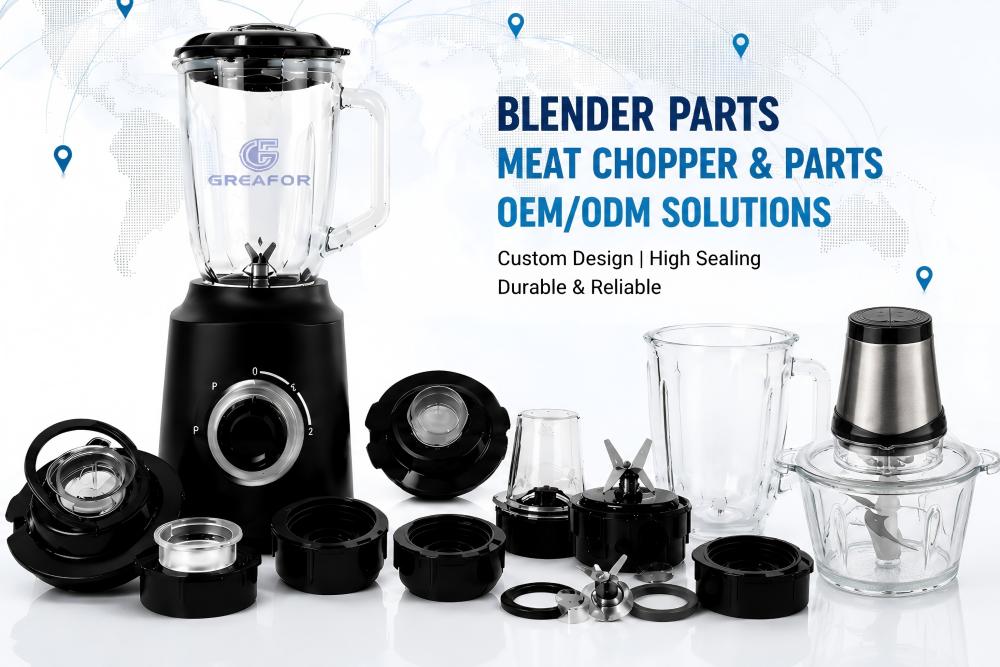
Un programa típico de repuestos para licuadoras puede incluir:
- Frascos de vidrio para licuadora
- Conjuntos de cuchillas compatibles
- Acoplamientos
- tapas de licuadora
- Anillos de sellado y juntas
- Bases de frascos y componentes inferiores
- Recipientes de vidrio seleccionados para picadoras de carne y piezas relacionadas
La ventaja no reside únicamente en la eficiencia del transporte. También puede mejorar la comunicación con los proveedores, la coordinación de la producción, la inspección de calidad, la documentación de exportación, la planificación del embalaje y la gestión de los envíos.
Para los compradores que planifican pedidos a nivel de palets, carga consolidada o contenedores, un enfoque de suministro coordinado puede hacer que la adquisición sea más manejable a medida que crece el negocio de posventa.
Proyectos de jarras de licuadora sudamericanas de Greafor
Los catálogos de productos son útiles, pero los proyectos a gran escala ya finalizados ofrecen una prueba más contundente de la capacidad de un proveedor para satisfacer las necesidades reales de exportación. La cartera de proyectos de Greafor incluye proyectos de suministro de vasos de vidrio para licuadoras y repuestos para compradores en Sudamérica.
Vea los casos prácticos del proyecto de Greafor para el vaso de vidrio de la licuadora y sus repuestos :
México: Dos recipientes de vidrio para licuadora de 40HQ
Greafor completó un proyecto para un distribuidor de electrodomésticos en México, que consistió en dos contenedores de 40HQ de gran capacidad con vasos de vidrio para licuadoras. El proyecto se centró en vasos de vidrio de repuesto de alta resistencia, compatibles con los modelos de licuadoras más comunes, e incluyó diferentes opciones de materiales.
Para un distribuidor, este tipo de proyecto a nivel de contenedor pone de relieve la importancia de una capacidad de producción estable, el control de las especificaciones, la planificación del embalaje y la coordinación de las exportaciones al pasar de pequeños pedidos de prueba.
Colombia: Proyecto de jarra de vidrio para licuadora OEM
Greafor completó un proyecto de fabricación de un vaso de vidrio para licuadora OEM de 40HQ para un cliente en Colombia. Antes del envío, el cliente visitó la fábrica para realizar una inspección in situ.
Los proyectos OEM requieren más que una simple cotización. Los compradores necesitan tener confianza en el control de especificaciones, la gestión de la producción, los procedimientos de calidad, el embalaje y la capacidad de exportación. Una visita a la fábrica o un proceso de aprobación de muestras puede brindar mayor seguridad antes de realizar un pedido al por mayor.
Perú: Envío de vasos de vidrio para licuadoras y repuestos compatibles
Greafor también envió a Perú un cargamento de 40HQ de vasos de vidrio para licuadoras y repuestos compatibles. Para los distribuidores de repuestos, el valor de este tipo de proyecto no reside simplemente en el volumen del envío, sino en la capacidad de organizar diferentes categorías de repuestos dentro de un programa de exportación estructurado.
Ecuador: Diferentes modelos de frascos de vidrio para programas de reemplazo
En Ecuador, Greafor suministró vasos de vidrio para licuadoras, incluyendo configuraciones compactas para moler y modelos de mayor tamaño. Este programa de abastecimiento refleja un principio fundamental del mercado de repuestos: los distribuidores necesitan modelos específicos, no un vaso genérico para todas las licuadoras.
Estos proyectos demuestran una vía práctica para los compradores sudamericanos: identificar la demanda local, verificar la compatibilidad del modelo, aprobar las especificaciones, organizar el suministro a granel y establecer un programa de pedidos repetidos a lo largo del tiempo.
¿Qué cambia cuando un distribuidor establece una cadena de suministro a largo plazo?
El cambio más importante es el paso de las compras transaccionales a la contratación estructurada.
Al principio, un distribuidor puede preguntar:
“¿Quién puede suministrar este vaso para la batidora?”
A medida que el negocio madura, las preguntas se vuelven más estratégicas:
- ¿Qué modelos de repuesto deberíamos mantener en inventario habitual?
- ¿Qué productos tienen mayor demanda en los canales de reparación?
- ¿Qué tarros, cuchillas, tapas y acoplamientos deberían venderse como juegos compatibles?
- ¿Qué modelos faltantes justifican el desarrollo por parte del fabricante de equipos originales (OEM)?
- ¿Qué piezas se pueden consolidar en un único plan de compra?
- ¿Cómo podemos mejorar la regularidad de los pedidos repetidos y reducir el riesgo de inventario?
Esta transición crea un negocio de repuestos para licuadoras más escalable. El distribuidor ya no adquiere las piezas de forma aislada, sino que desarrolla un programa de suministro repetible basado en la demanda real de los clientes.
¿Qué repuestos deberían tener en stock primero los distribuidores sudamericanos?
No es necesario tener en stock la misma cantidad de componentes de repuesto. Para muchos distribuidores nuevos o en crecimiento, una cartera inicial práctica se centra en piezas con mayor demanda de repuestos y potencial de venta cruzada.
| Categoría de producto | Prioridad sugerida | Función típica en el mercado de repuestos |
|---|---|---|
| Frascos de vidrio para licuadora | Alto | Producto de reemplazo principal con gran visibilidad y potencial para la venta de componentes relacionados. |
| Conjuntos de cuchillas | Alto | Se suele combinar con tarros y es relevante para el desgaste mecánico, las fugas y las necesidades de reparación. |
| Acoplamientos | Alto | Componente compacto con gran demanda por parte de los canales de reparación y los programas de reemplazo. |
| Tapas para licuadoras | Medio-alto | Útil complemento para modelos de tarros de cristal ya existentes. |
| Anillos de sellado | Medio | Componente de soporte de bajo costo para juegos de reemplazo de cuchillas y recipientes. |
| Bases y componentes inferiores de los frascos | Medio | Las piezas de repuesto específicas para cada modelo se añaden preferiblemente una vez confirmada la demanda. |
| Otros componentes | Dependiente del mercado | Seleccionados en función de la demanda de los talleres de reparación locales y los modelos de licuadoras objetivo. |
Una estrategia inicial útil consiste en seleccionar un número limitado de grupos de modelos populares de Blender y construir piezas de repuesto que coincidan con cada grupo.
Por ejemplo:
Frasco de vidrio → Conjunto de cuchillas → Acoplamiento → Tapa → Anillo de sellado
Este enfoque aporta más valor que almacenar cientos de referencias inconexas. Facilita la organización del catálogo, mejora las oportunidades de venta cruzada y permite a los distribuidores ofrecer una solución más completa a los talleres de reparación y a los clientes del mercado de repuestos.
Qué deben preparar los compradores sudamericanos antes de contactar con una fábrica china.
Cuanto más completa sea la información del comprador, con mayor precisión podrá el proveedor evaluar la compatibilidad y recomendar la combinación de productos más adecuada.
Antes de solicitar un presupuesto, prepare la mayor cantidad posible de la siguiente información:
- Referencia de la marca de la licuadora Target y número de modelo exacto
- Fotos del vaso de vidrio original de la licuadora o de la pieza de repuesto.
- Fotos del fondo del frasco, la zona de la rosca, el conjunto de la cuchilla y el acoplamiento.
- Fotografías de la tapa, la base, el anillo de sellado y el área de conexión.
- Capacidad del frasco, altura, diámetro de la base y otras dimensiones clave
- Una muestra original, si está disponible.
- Cantidad estimada del pedido y demanda de reordenamiento prevista
- Mercado objetivo y canal de ventas previsto
- Requisitos de embalaje para venta minorista, mayorista, taller de reparación o marca propia
- Requisitos de logotipo, marca, etiqueta, caja o instrucciones del fabricante de equipos originales (OEM)
Esta información ayuda al proveedor a evaluar si existe un modelo de reemplazo compatible estándar o si es más apropiada una solución OEM personalizada.
¿Por qué trabajar con un socio de fabricación directa de fábrica?
A medida que aumenta el volumen de pedidos de repuestos para licuadoras, la diferencia entre comprar a varios proveedores y desarrollar una relación de suministro directo con la fábrica se vuelve más importante.
Un socio de fabricación directa de fábrica competente puede proporcionar:
- Comunicación directa sobre las especificaciones del producto.
- Mejor coordinación entre los frascos de vidrio y los componentes correspondientes.
- Opciones de desarrollo OEM y ODM para modelos faltantes
- Planificación de la producción para pedidos repetidos
- Coordinación del control de calidad y del embalaje
- Soporte para proyectos de suministro a granel, en palés, LCL y a nivel de contenedor.
- Un enfoque más estructurado para el abastecimiento de repuestos a largo plazo
Greafor es la marca de exportación de la fábrica Huijing y suministra vasos de vidrio para licuadoras, repuestos para licuadoras, soluciones de reemplazo compatibles, recipientes de vidrio seleccionados para picadoras de carne y componentes relacionados para licuadoras y picadoras a compradores B2B de todo el mundo.
El objetivo no es simplemente suministrar un frasco de vidrio o un conjunto de cuchillas. El objetivo es ayudar a los distribuidores a crear un catálogo práctico con los modelos de repuesto que sus clientes más necesitan.
Construye la cadena de suministro, no solo la orden de compra.
Para los distribuidores sudamericanos, obtener repuestos para licuadoras de China puede ser mucho más que una forma de reducir costos de compra. La mayor oportunidad reside en construir un sistema de suministro estable en torno a los modelos de licuadoras de alta demanda y sus componentes de repuesto compatibles.
Una hoja de ruta práctica para la cadena de suministro es:
Identificar la demanda local → Verificar la compatibilidad → Seleccionar modelos de reemplazo principales → Desarrollar soluciones OEM donde sea necesario → Consolidar las compras al por mayor → Crear un suministro recurrente
Este enfoque puede ayudar a los distribuidores a reducir el riesgo innecesario relacionado con las referencias de productos (SKU), mejorar la planificación del inventario, crear más oportunidades de venta cruzada y respaldar el crecimiento a largo plazo en el mercado de repuestos para licuadoras.
¿Busca un proveedor de repuestos para licuadoras en China?
Si usted es un importador, distribuidor, mayorista, vendedor de repuestos para electrodomésticos o comprador de marcas blancas en Sudamérica, envíe a Greafor su lista de modelos de licuadoras, fotos originales del producto, dimensiones, muestras, cantidad estimada y requisitos del mercado objetivo.
Nuestro equipo puede ayudarle a evaluar los vasos de vidrio compatibles para licuadoras, los conjuntos de cuchillas, los acoplamientos, las tapas, las juntas, las posibilidades de desarrollo OEM y las opciones de suministro mayorista adecuadas para su mercado.
Vea nuestros casos de proyectos de licuadoras con frascos de vidrio de origen sudamericano.
Solicitar revisión de compatibilidad y cotización al por mayor.